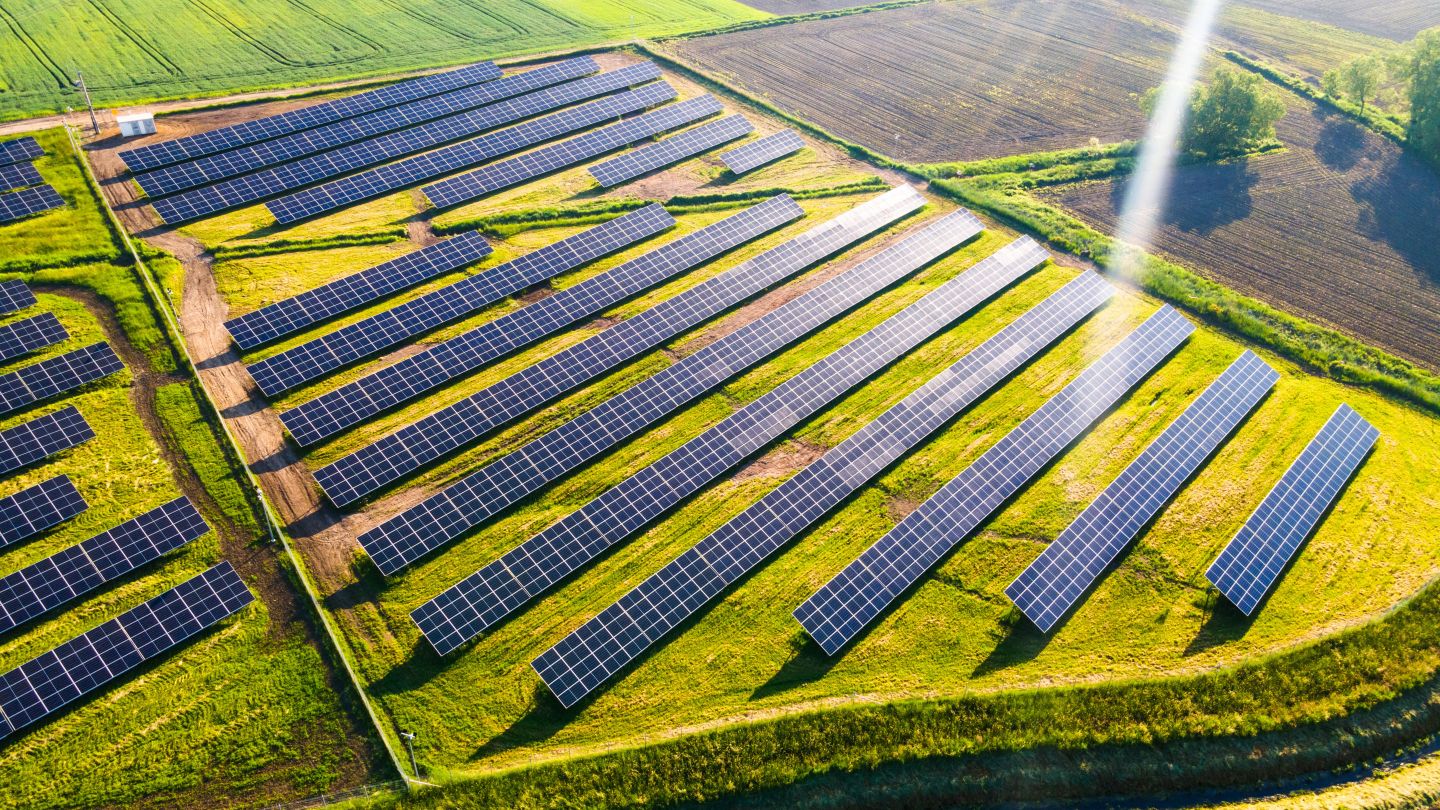
The UK government has given the green light to the 740MW One Earth Solar Farm, set to become the country's second-largest solar installation. This project marks a significant milestone in the UK's renewable energy journey, aligning with its ambitious net-zero emissions target by 2050. Citing Energy Monitor data, the solar farm will generate enough electricity to power approximately 200,000 homes annually, substantially reducing carbon emissions. However, the approval has sparked debate over land use and environmental impact, as the project will occupy a large area of agricultural land. Proponents argue that agrivoltaics—combining solar panels with farming—can mitigate these concerns, while critics warn of potential harm to local ecosystems and food security. The UK aims to ramp up solar capacity to 70GW by 2035, and One Earth Solar Farm is a crucial piece of that puzzle. This decision comes at a time when European nations are accelerating renewable energy investments to enhance energy independence, particularly in the wake of the Russia-Ukraine conflict. The UK's move could set a precedent for other countries, but it also highlights the delicate balance between renewable expansion and environmental stewardship. For investors, this signals growing opportunities in the solar sector, but also underscores the need for sustainable project development that addresses community and ecological concerns.
UK Approves 740MW Giant Solar Farm: A Leap Towards Net Zero
The UK has approved the 740MW One Earth Solar Farm, which will become the country's second-largest solar installation and power 200,000 homes. The project advances net-zero goals but raises debates over agricultural land use and environmental impacts.